About Conservation Resource Community

Protecting Nature for prosperity

Conservation Resource Community (CRC)

The Conservation Resource Community (CRC) is a nongovernmental organization established as an expansion of the work originally undertaken by the Centre for Research Cooperation, founded in 2020. The Centre for Research Cooperation has historically implemented both philanthropic initiatives and other research and development-oriented activities.

In 2025, the Management of the Centre for Research Cooperation resolved to transition all new philanthropic and community-support activities to a dedicated nonprofit arm. This decision led to the establishment of the Conservation Resource Community (CRC), created to strengthen the organization’s focus on social development, environmental stewardship, and nature conservation.

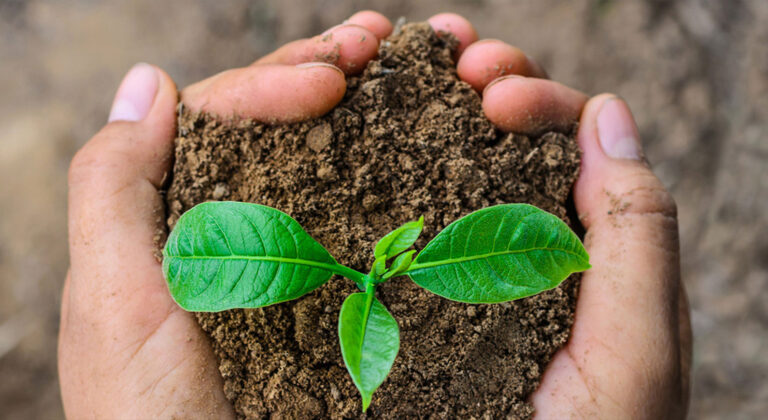
CRC’s philanthropic portfolio includes providing scholarships to students, mentoring and empowering youth, delivering skills-based tutoring, and supporting the creation of small enterprises aimed at addressing social, environmental, and conservation challenges.

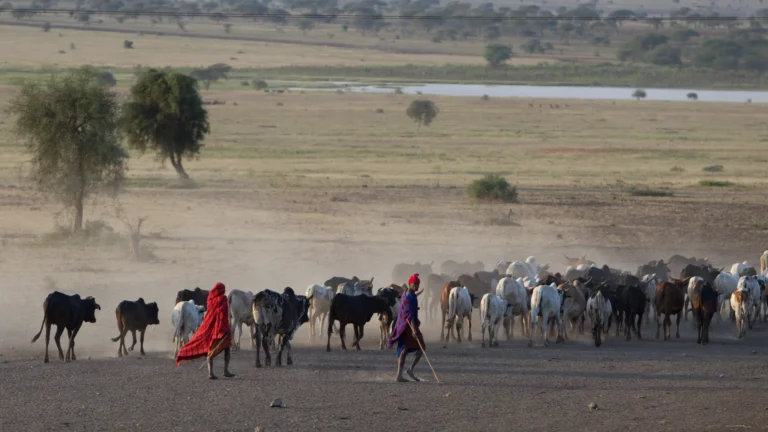
One of the flagship initiatives currently being implemented is the Northern Loliondo Rangeland Restoration Project. This project aims to rehabilitate the highly degraded rangelands of Northern Loliondo, an area severely impacted by climate change and other environmental pressures. The overarching goal is to enhance the climate resilience of local communities by restoring ecosystem functions and promoting sustainable land management practices. Through ecosystem-based adaptation interventions, the project seeks to reduce the negative impacts of climate change and strengthen the adaptive capacity and well-being of the communities that rely on these rangelands.

Conservation Resource Community (CRC) Mission & Vision

Vision Statement

A flourishing nation where people and nature coexist in harmony. We nurture a sustainable and prosperous future, ensuring lasting well-being for generations to come through responsible stewardship.

Mission Statement

Our mission is to protect and restore natural ecosystems while empowering Indigenous and local communities with the knowledge and skills to ensure the long-term sustainability of the environment.

Why is it important to empower indigenous and local communities?

Empowering Indigenous communities is not just an act of inclusion — it is a strategic necessity for effective and sustainable biodiversity conservation. When local people benefit from, participate in,and take pride in protecting wildlife, both human welfare and ecological integrity thrive together.

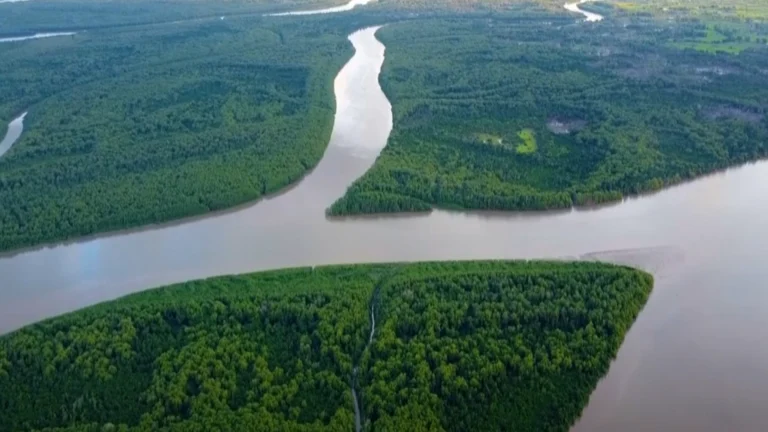
Protecting and restoring forests is not only an environmental necessity but also a moral responsibility — to safeguard biodiversity, stabilize the climate, and sustain life on Earth.

Monitoring biodiversity allows us to detect threats early, understand ecosystem health, and implement effective conservation strategies. Protecting it ensures the survival of life on Earth,
including human life, while maintaining ecological, economic, and cultural benefits.

Our Key Functions

Join Our Conservation Mission

We are inviting partners from around the world to join us in this important mission. Your support will make a meaningful difference for the future of our planet.

1.Why is it important to empower indigenous and local communities?

Why It Is Important to Empower Local Indigenous Communities to Coexist with Wildlife and
Conserve Biodiversity (Second Glance)

Empowering local and Indigenous communities to coexist with wildlife is essential for the long-term
success of biodiversity conservation. These communities are often the primary custodians of natural
resources and live closest to areas rich in wildlife and ecological value. Their participation,
knowledge, and well-being directly influence the health of ecosystems.

1. Traditional Knowledge and Stewardship
Indigenous communities possess generations of traditional ecological knowledge — understanding
animal behavior, seasonal patterns, and land management techniques that promote ecological
balance. Integrating this knowledge into modern conservation approaches ensures context-specific
and sustainable management of biodiversity.

2. Ownership and Sustainable Coexistence
When communities are empowered to take part in conservation decision-making, they develop a
sense of ownership and responsibility for protecting wildlife and habitats. This local stewardship
helps reduce conflicts, poaching, and habitat destruction, fostering harmonious coexistence
between people and nature.

3. Reduction of Human–Wildlife Conflict
Empowerment through education, training, and benefit-sharing helps communities manage and
mitigate human–wildlife conflicts. By understanding animal behaviors and implementing
coexistence strategies (like safe livestock enclosures or compensation mechanisms), communities
can protect their livelihoods while ensuring the safety of wildlife populations.

4. Economic and Livelihood Benefits
Conservation-linked livelihoods — such as eco-tourism, beekeeping, crafts, and sustainable
agriculture — provide alternative income sources. This reduces dependence on activities that harm
the environment, while improving household income and resilience. Empowered communities
become active partners, not victims, of conservation.

5. Social Equity and Inclusion
Biodiversity conservation is most effective when it’s inclusive and participatory. Empowering
Indigenous peoples respects their rights and cultural values, addressing historical marginalization
while promoting social justice and shared benefits from conservation initiatives.

6. Long-Term Sustainability
Conservation efforts that overlook local communities often fail once external funding ends.
Empowered communities, however, continue to sustain conservation actions because they see
direct, tangible benefits — both ecological and economic — from preserving biodiversity.

2. Why It Is Important to Protect and Restore Forests (Second glance)

Forests are among the most vital ecosystems on Earth. They are home to most of the world’s
terrestrial biodiversity, regulate the global climate, and sustain the livelihoods of millions of people.
Protecting and restoring forests is therefore essential for maintaining ecological balance, combating
climate change, and supporting human well-being.

1. Biodiversity Conservation:
Forests provide habitat for countless plant and animal species. Protecting them prevents the
loss of biodiversity and helps sustain ecosystems that supply food, medicine, and genetic
resources vital to human survival.

2. Climate Regulation:
Trees absorb carbon dioxide and release oxygen, making forests powerful natural carbon
sinks. Restoring degraded forests helps reduce greenhouse gases and mitigate the effects of
global warming.

3. Water and Soil Protection:
Forests regulate rainfall, prevent floods, and reduce soil erosion by stabilizing the ground
with their roots. Healthy forests ensure clean water sources and fertile soils for agriculture.

4. Livelihoods and Cultural Value:
Millions of people, including Indigenous and local communities, depend on forests for food,
fuel, shelter, and traditional practices. Restoring forests ensures these communities
continue to thrive sustainably.

5. Resilience and Future Generations:
Protecting and restoring forests today builds resilience against droughts, floods, and climate
extremes, securing a healthier planet for generations to come.

3.Why is it important to empower indigenous and local communities?

Monitoring and protecting biodiversity is essential for several interconnected ecological, economic,
and social reasons. Here’s a detailed breakdown:

1. Ecological Stability
Ecosystem balance: Each species plays a role in its ecosystem (predator, prey, pollinator,
decomposer). Loss of species can disrupt food chains and ecosystem functioning.

Resilience: Diverse ecosystems can better withstand environmental changes, natural
disasters, and human impacts. Less diverse ecosystems are more vulnerable to collapse.

2. Human Survival and Well-being
Food security: Many crops rely on wild relatives for genetic diversity to resist diseases and
adapt to climate change.
Medicine: Numerous medicines are derived from plants, animals, and microorganisms. Loss
of species could mean losing potential cures.
Clean air, water, and soil: Biodiversity supports natural processes that filter air and water,
recycle nutrients, and prevent soil erosion.

3. Economic Value
Resources: Timber, fish, fruits, and other materials depend on healthy ecosystems.
Tourism: Ecotourism and wildlife-based tourism contribute significantly to many economies.
Pollination: Many agricultural crops rely on wild pollinators (bees, butterflies) which require
biodiversity to thrive.

4. Cultural and Ethical Importance
Cultural heritage: Many cultures have spiritual, symbolic, or traditional ties to specific
species and ecosystems.
Ethical responsibility: Humans have a moral obligation to protect other life forms from
extinction caused by human activities.

5. Scientific Knowledge
Understanding life: Studying diverse species helps us understand evolution, genetics, and
ecological interactions.
Innovation: Biomimicry and technological advances often come from studying natural
processes.